
Nội dung chính
Russia warns NATO’s plan to deploy additional troops to Greenland could destabilize the fragile Arctic balance.
Russia’s diplomatic protest from Brussels
The Russian Embassy in Belgium, home to NATO’s headquarters, issued a formal note on 14 January, describing the alleged NATO move as a “mistaken pretext”. The statement emphasised that the “situation in high‑latitude regions is a serious concern for Moscow”.
Why Moscow calls it a “mistaken pretext”
According to the embassy, NATO is justifying the reinforcement with a “growing threat from Moscow and Beijing”, a narrative that the Russian side says is being amplified by U.S. officials to push an anti‑Russia and anti‑China agenda. The note also mentioned that several EU members are discussing a new campaign modelled on the Baltic and Eastern NATO missions to contain Russia.
First reaction after Greenland’s deputy premier speaks
The comment came shortly after Greenland’s deputy prime minister Mute Egede announced that NATO would increase troops and equipment on the island. Neither the Kremlin nor the Russian Foreign Ministry has issued a separate statement.
European allies’ parallel deployments
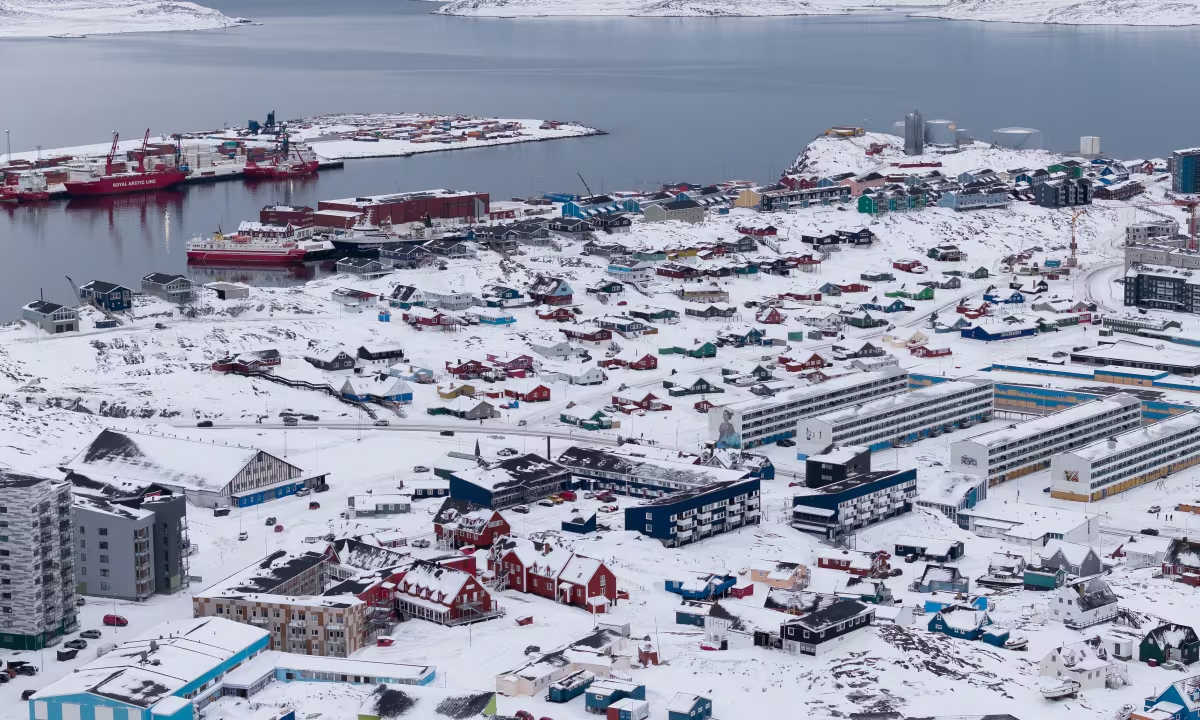
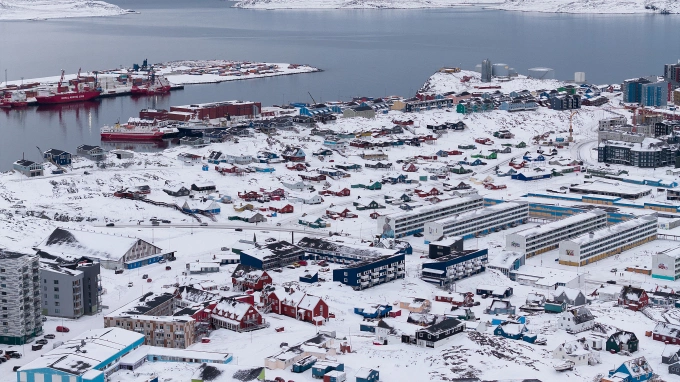
Denmark, Sweden, Norway, Germany and France have already said they will send personnel to Nuuk for reconnaissance missions. The deployments are unfolding while former U.S. President Donald Trump repeatedly claimed he would “own” Greenland to “deter Russia and China”. Denmark and its European partners have consistently rejected that ambition.
Strategic stakes in the Arctic
Both NATO and Russia have been expanding their Arctic footprints in recent years. While Moscow has never claimed sovereignty over Greenland, it closely monitors the island’s strategic value – the island sits on the North Atlantic shipping lane, hosts a U.S. military base and a space‑tracking station. The Kremlin describes the Arctic as a core national‑strategic interest, noting that defence spending in the region has risen to over $5 billion annually according to a 2023 Stockholm International Peace Research Institute (SIPRI) report.
Overall, the internal disagreements within NATO over Greenland’s future are, in Moscow’s view, making any collective decision “increasingly unpredictable”.
Huyền Lê (Theo AFP, RIA Novosti)